Address:
7909 W Grand Pkwy S
Suite 280
Richmond, Texas 77407

More Than Vision: What Your Eyes Can Reveal About Your Overall Health
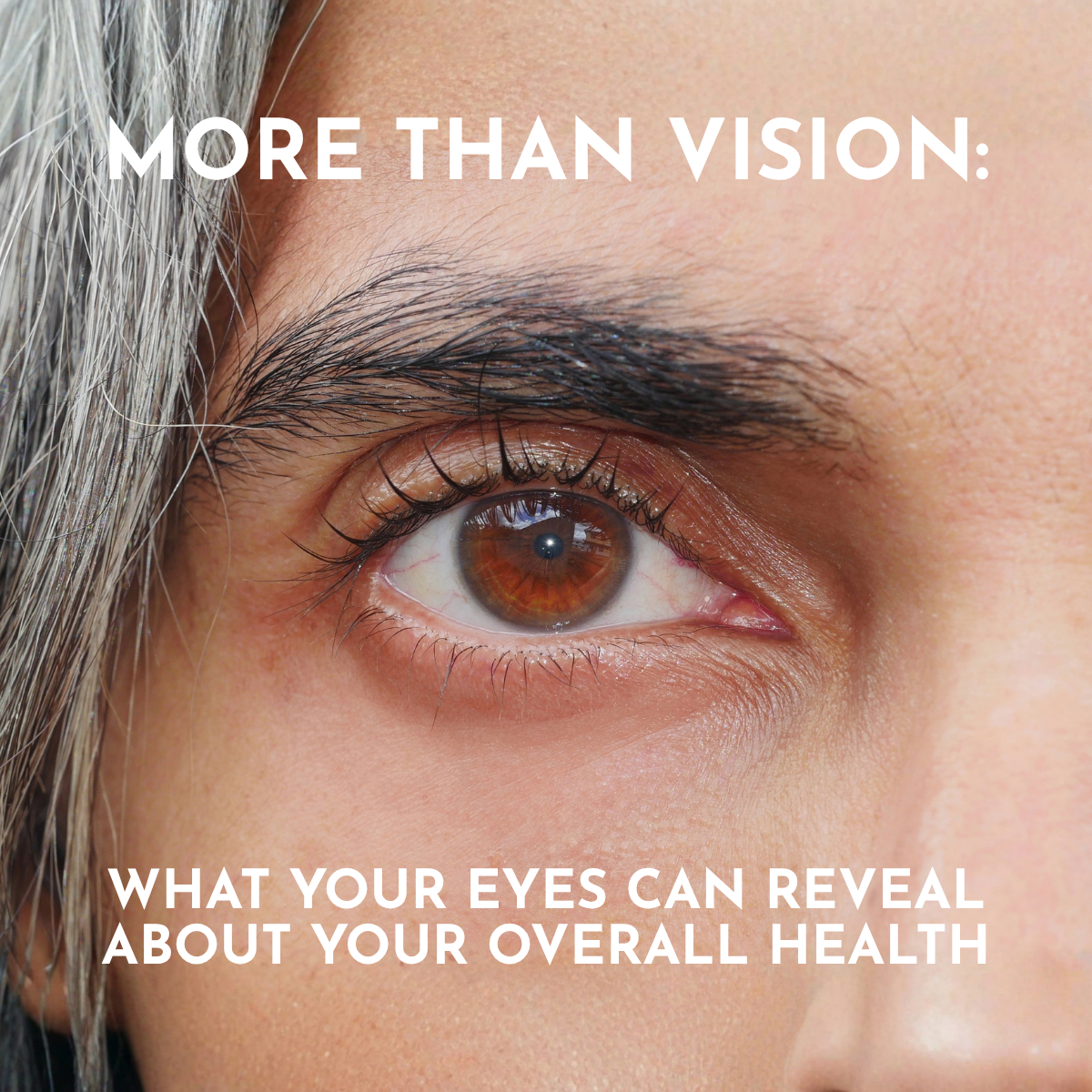
When you think about an eye exam, you probably think about one thing: How well can I see?
But your eyes can tell us about more than your prescription.
Because the eyes provide a unique view of blood vessels, nerves, and other structures inside the body, changes detected during a comprehensive eye exam can sometimes offer clues about your overall health.
Your Eyes Can Tell a Bigger Story
You might feel perfectly healthy and still have changes happening inside your body.
Certain health conditions can affect the eyes and their delicate blood vessels, sometimes before you notice changes in your vision.
During a comprehensive eye exam, your eye doctor isn't only checking whether you can read the smallest line on the chart. They're also examining the health of your eyes and looking for anything that may deserve closer attention.
Diabetes Can Affect Your Eyes
Diabetes can damage the small blood vessels throughout the body, including those in the retina.
These changes can lead to diabetic retinopathy, which may not cause noticeable symptoms in its early stages.
That makes regular eye exams especially important for people with diabetes. Monitoring your eye health can be an important part of managing your overall health.
What Else Can Your Eyes Reveal?
Changes in the eyes may sometimes be associated with conditions such as:
- High blood pressure
- High cholesterol
- Diabetes
- Certain autoimmune conditions
- Neurological conditions
Finding a change during an eye exam doesn't necessarily mean you have one of these conditions. But it may give your eye doctor a reason to recommend additional evaluation or communication with your primary care provider.
“But My Vision Seems Fine.”
That's something eye doctors hear all the time.
And it makes sense. If you're seeing clearly and your eyes don't hurt, why schedule an exam?
Because good vision and good eye health aren't always the same thing.
Some eye and health conditions can develop without obvious symptoms. You may still read, drive, work, and go about your day without realizing anything has changed.
Your Eye Exam Is Part of Your Overall Care
Your healthcare providers each see a different piece of the bigger picture.
Your primary care provider monitors your general health. Your dentist looks after your teeth and gums. And your eye doctor has a unique opportunity to examine structures that can provide valuable information about both your vision and eye health.
That's why routine comprehensive eye exams deserve a place in your preventive healthcare routine.
Don't Wait Until Something Looks Different
Ask yourself:
- Has it been a while since your last comprehensive eye exam?
- Do you have diabetes, high blood pressure, or high cholesterol?
- Have you noticed changes in your vision?
- Are you experiencing new flashes, floaters, or other unusual symptoms?
- Has another healthcare provider recommended an eye exam?
Your eyes may have more to say about your health than you realize.
Schedule your comprehensive eye exam and make your vision, and your overall wellness, a priority.
Schedule An Appointment
Quick Links


© 2026 Today's Vision Richmond. All rights Reserved - Accessibility Statement - Privacy Policy - Sitemap

Powered by